To make pour over coffee we need: coffee (of course!), a grinder, scales, a dripper, some water, a kettle, a server and an X factor… filters, I mean, paper coffee filters. Without this inconspicuous piece of paper, every morning pour over would turn into “mud coffee” or „cupped coffee”, as we professionally call it. I’m going to x-ray this piece of cellulose from several angles… with „X-rays”! Once you’ve read it, everything will become clear (or at least less dark).
Drip, drip, drip… the world of paper coffee filters! What goes with what?
You are probably wondering how to find your way in the thicket of coffee filters? Relax. Contrary to appearances, it’s not difficult. There are four basic types of filters (in terms of their shape) for coffee alternatives:
- conical
- flat bottom (like a paper cupcake mold)
- with a line bottom, double folded
- round
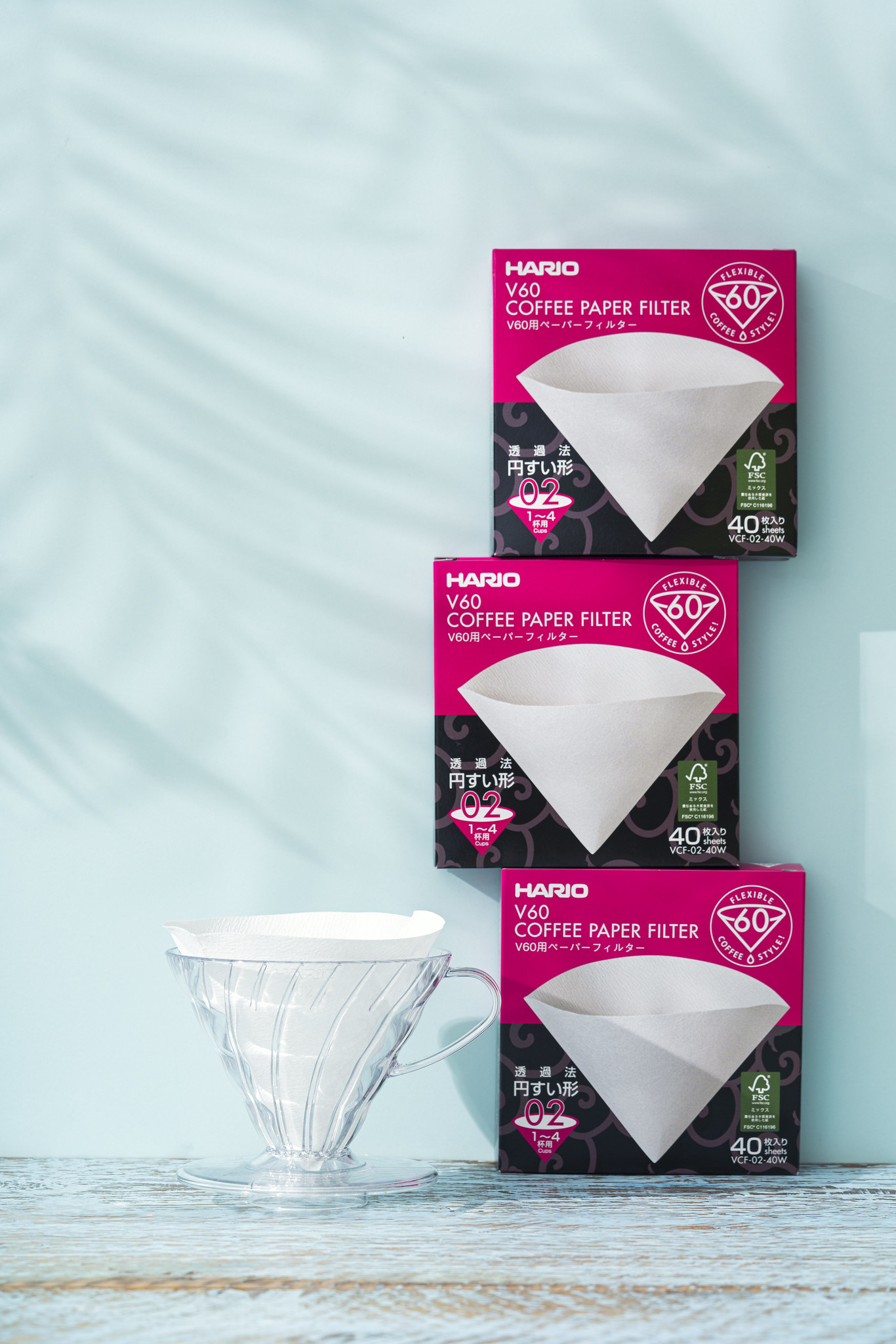
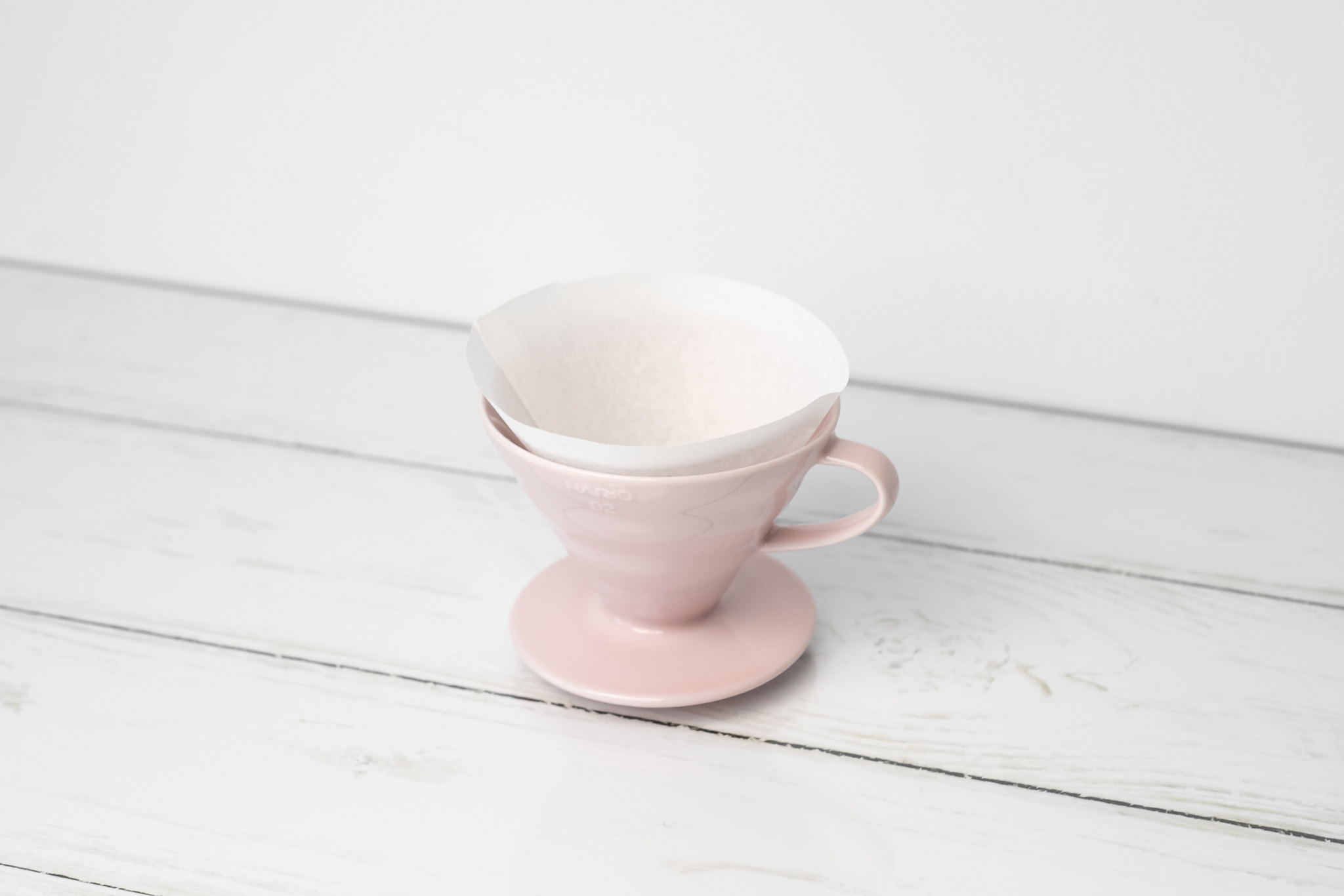
Conical filters are used in drippers and in Chemex. The filters are available in several sizes, depending on the size of the brewer. The rule is quite simple – the larger the device is, the larger filter you need to buy. The same applies to choosing the shape of the filters. If they come in several sizes, pay attention to the size of the dripper. Hario matched its filters very simply to the names of the devices, and so the V60-2 dripper requires filters in size 02, V60-3 – filters no. 03, etc.
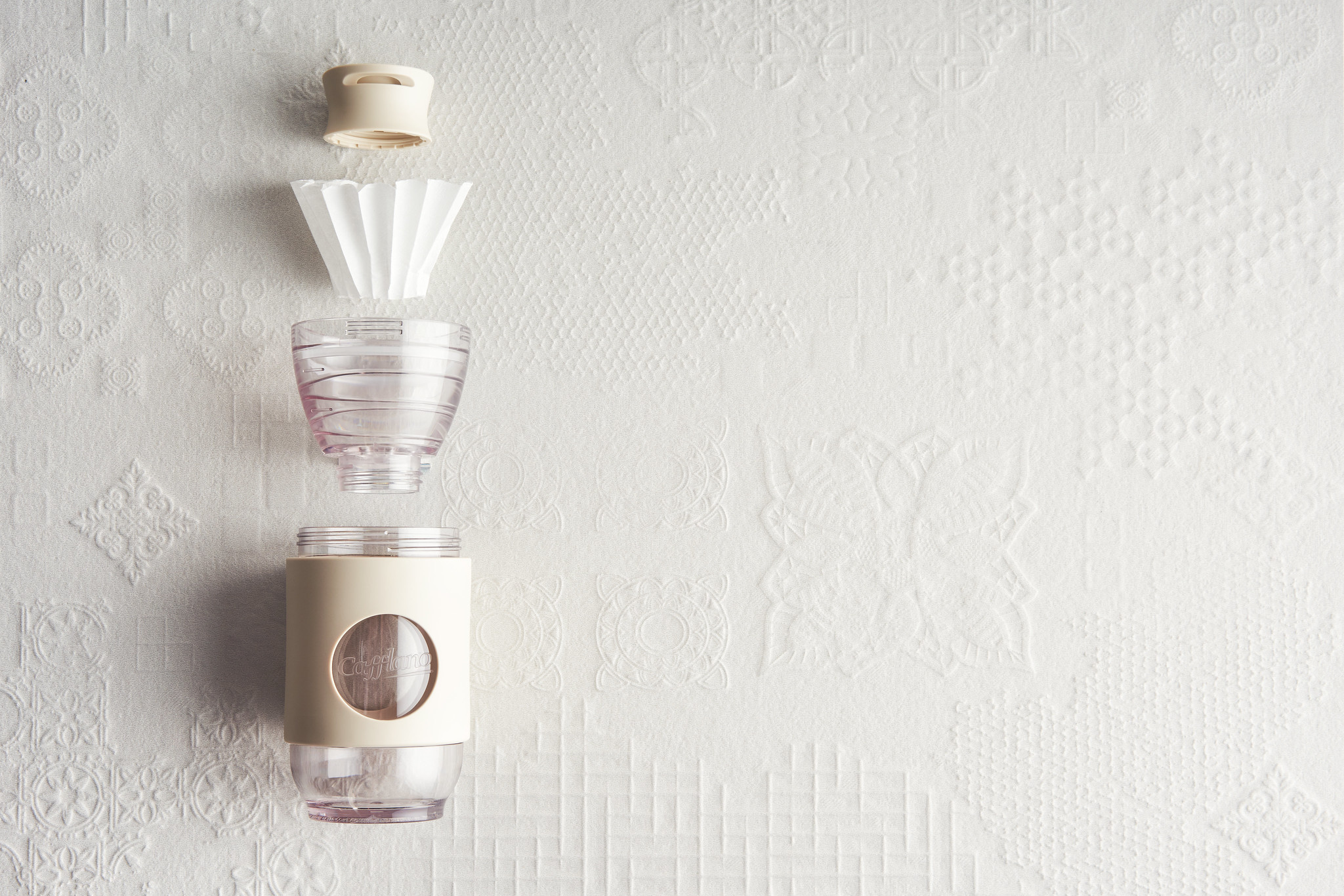
Flat bottom filters, resembling a cupcake mold, are intended for the Gabi Master, the Cafflano Go-Brew, the Brewista Smart dripper or the Fellow XF. Thanks to their flat bottom, these filters provide more sweet flavors to your coffee. The disadvantage is that filters of this type are difficult to transport – they need to be stored in a box. Otherwise, it is difficult to restore the „flattened” filter to its original shape.
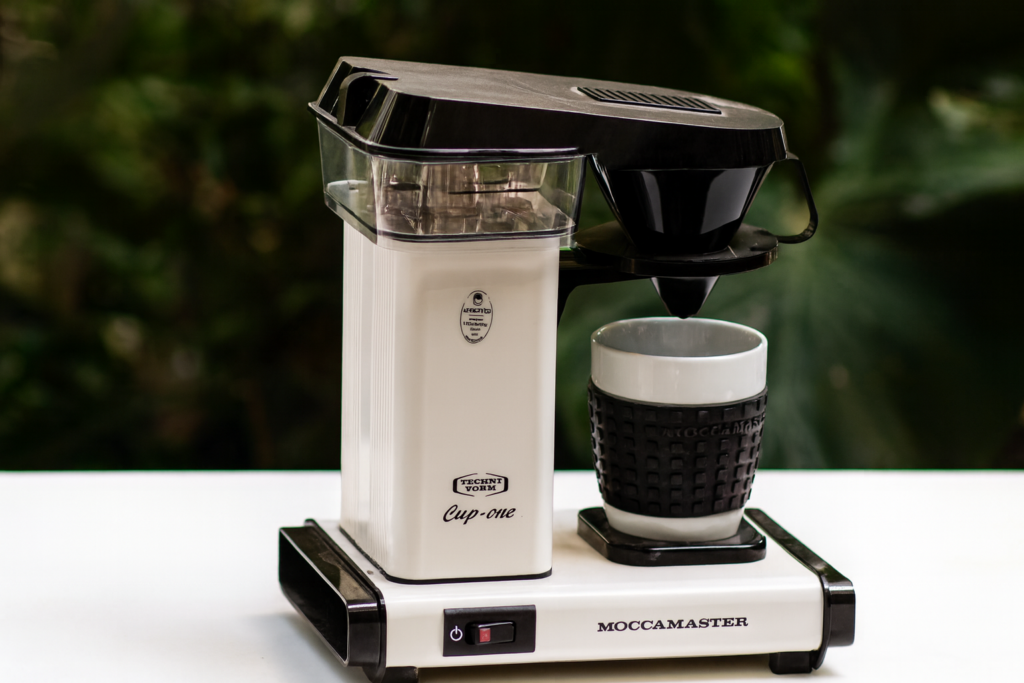
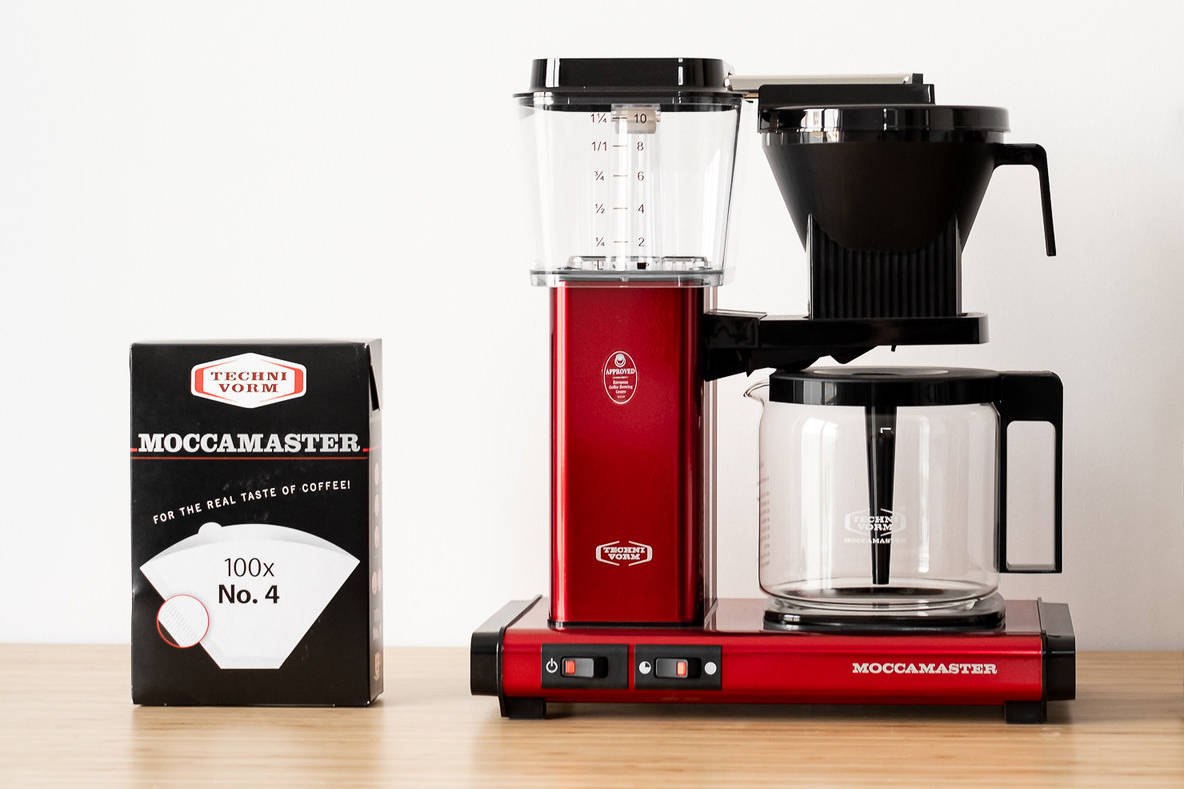
Double-folded flat bottom filters are used in Moccamaster Coffee Brewers and in the manual, classic Melitta dripper. They are quite often used with other devices of less recognizable companies – mostly with older type automatic filter coffee machines. They take up little space and are easy to use.
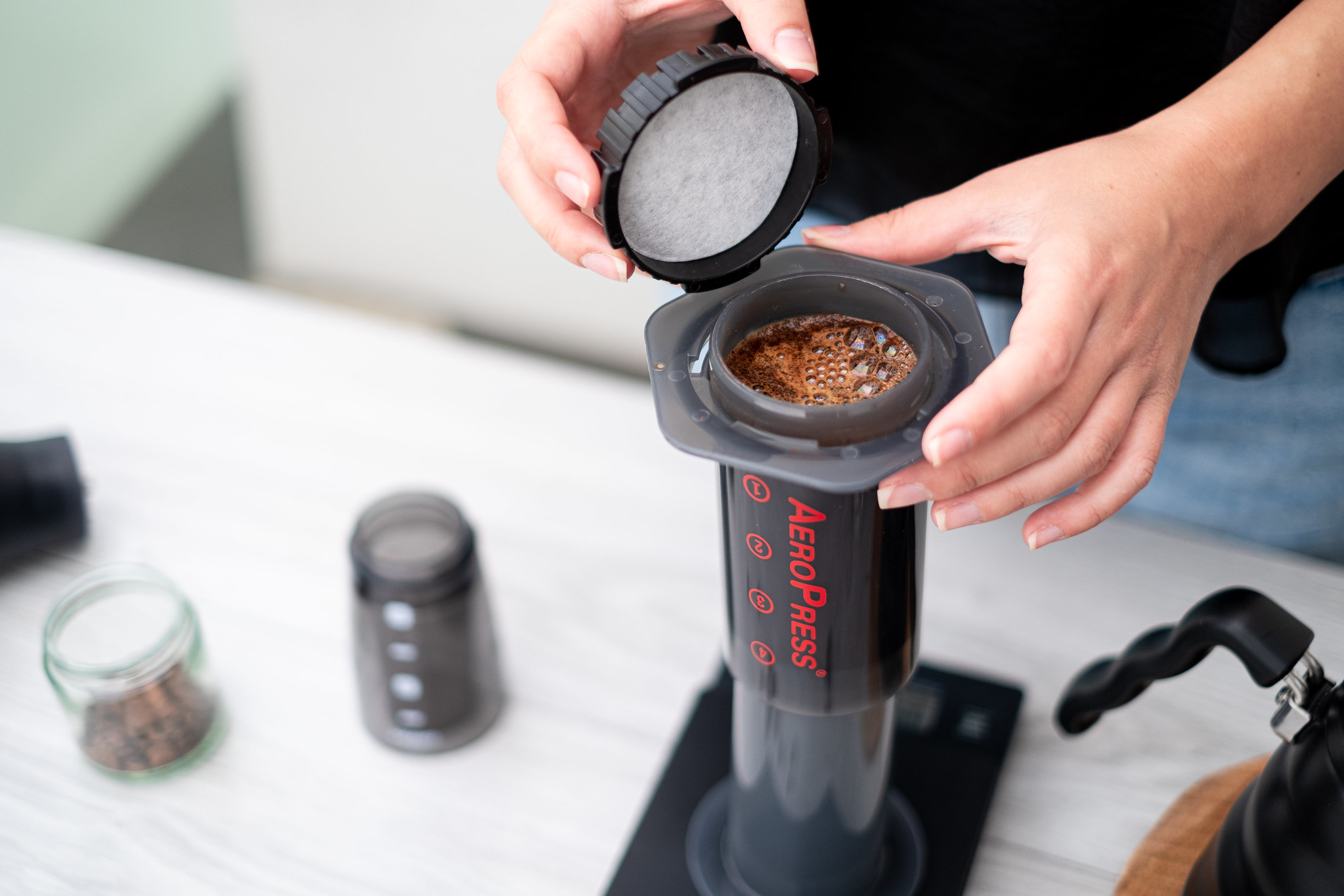
The smallest, thin paper disks are filters that fit coffee syringes – AeroPress, Delter and the Slowpresso device. There is also a variation of paper disks with a hole – these fit the syphon and the Clear Water Dripper – Hario’s cold maceration station. Filters of this type are the easiest to transport – they take up the least space and can easily survive slight bends.
The Hario company has caused some turmoil in the world of coffee filters, having introduced a new type of material in their products. The selection is simple – if you choose Hario filters, buy those that are „made in Japan” – regardless of their type, you’ll get good stuff in your cup – all you need to do is select the right coffee trinity: the grind size, the brewing temperature and the dose of ground coffee. Avoid filters which are „made in Holland” – they are strongly pressed, which often causes the coffee to get stuck in them, which forces a coarser grind, which results in a watered-down coffee. In my opinion, choosing „made in Japan” with the letter „W” at the end of its full name is definitely a better step towards delicious pour over coffee, but, of course, you can check it out on your own… tongue
White and… brown?
Looking at the filter range, we can easily see two available colors: white and brown. What’s the difference? Color! Ha, ha. Well, there’s actually more to it… White filters are the so-called „bleached filters” – in the production process they are deprived of lignin, which causes yellowing of the paper. Thus, white filters are additionally subjected to bleaching. As a result, we get a coffee filter which doesn’t impact the taste of coffee so much, at the expense of extending the production process. To sum up – when choosing brown filters, you have to rinse them even more thoroughly with boiling water to get rid of the aftertaste of paper than white filters. Yet at the same time, you usually reduce the environmental impact of filter production, because their production takes less time and requires fewer processes. Which color will you choose? It all depends on your preferences.
Layers! The filter has layers!
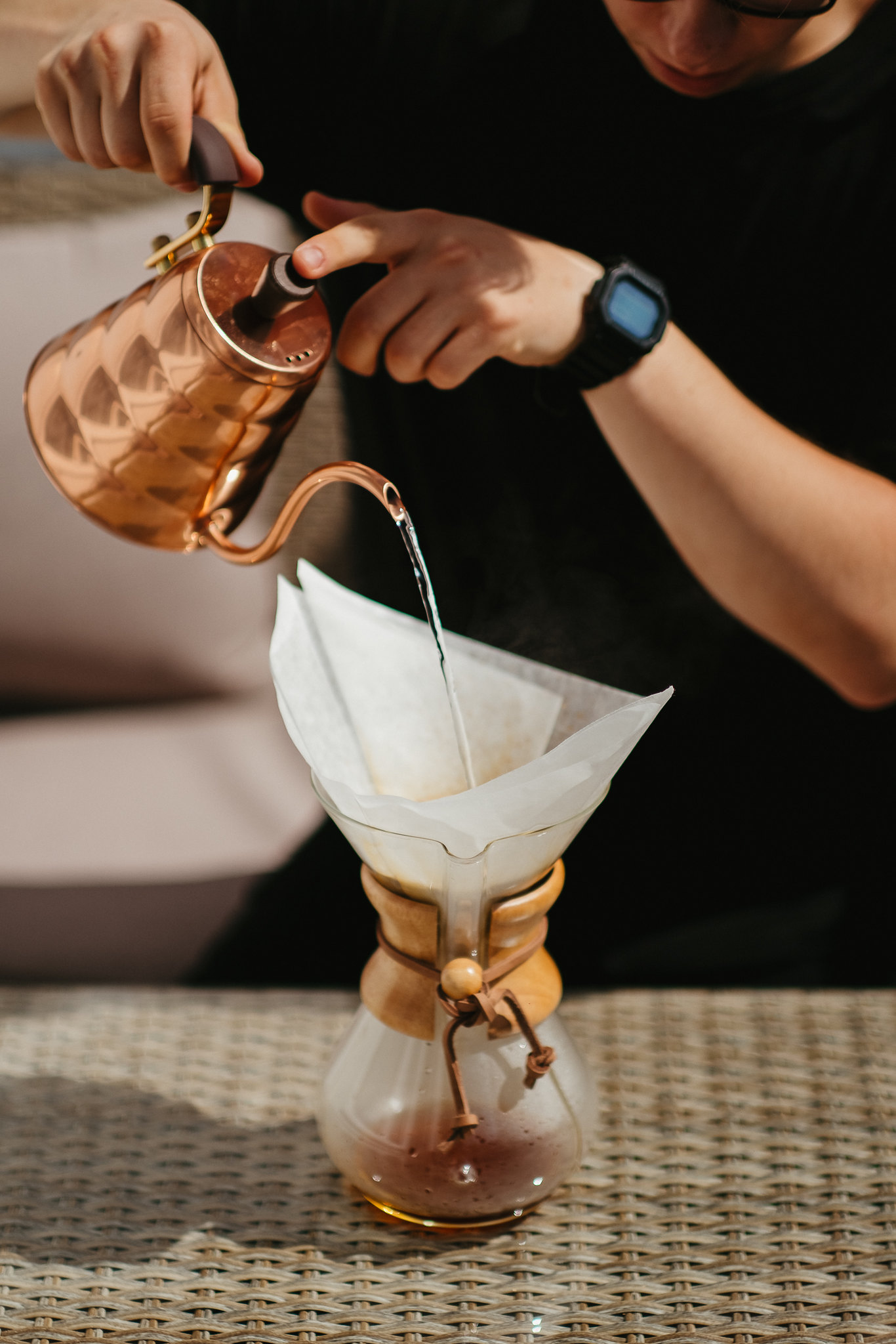
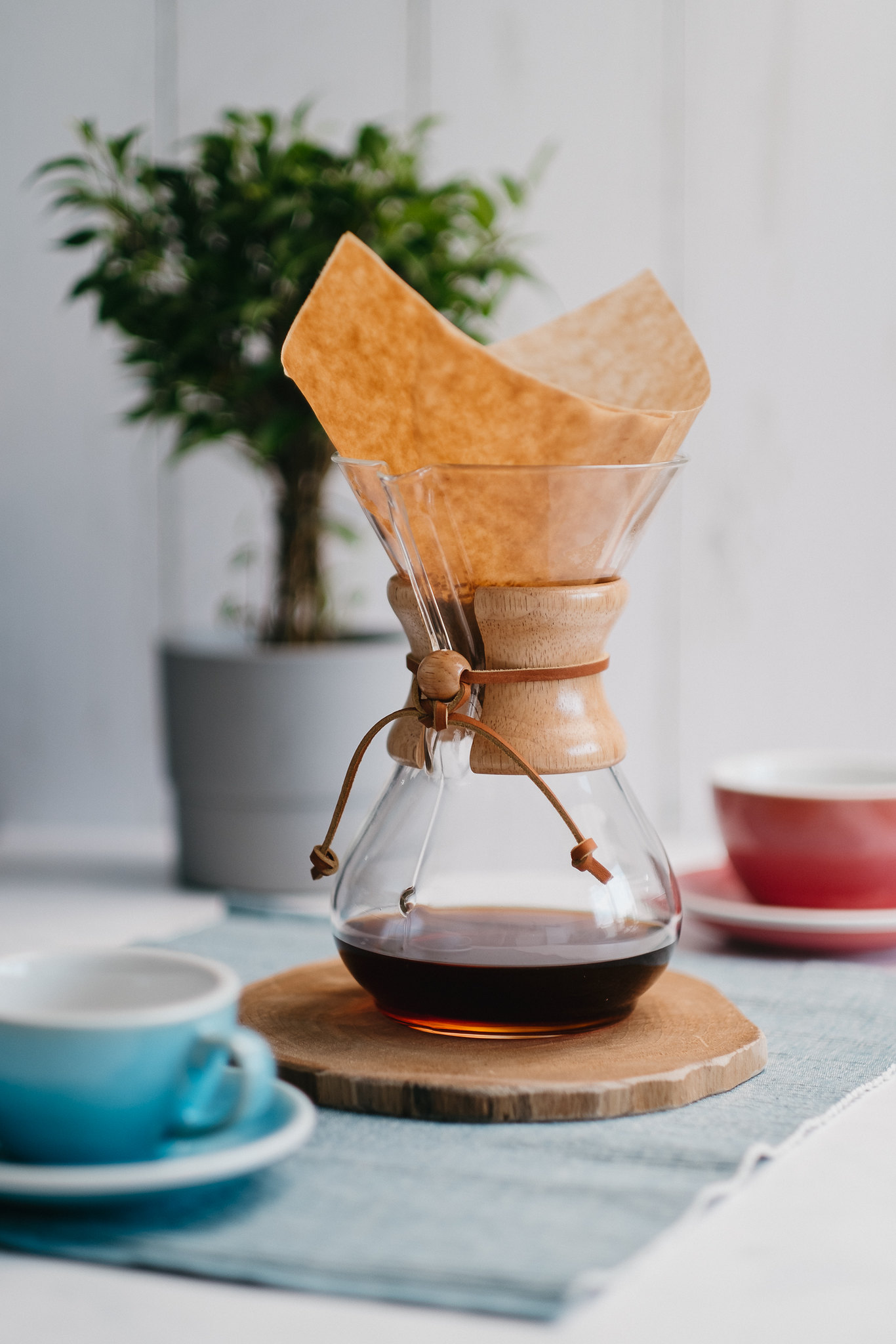
The layers, or rather the thickness of the filter, have a colossal impact on what we get in our favorite mug or cup. The thicker the material the filter is made of, the more oils in the coffee will be separated from the final drink. To put it simply – the thicker the filter, the clearer and less “coarse” the flavour of coffee. That’s why the coffees from Chemex have very gentle flavor and tea-like body – they owe it to thick filters, dedicated to this device. Hario dripper filters are made of thinner paper, and so the coffee gets more oils from the coffee beans during brewing. AeroPress filters fall somewhere in between. Some people use two paper filters for the „coffee syringe” – this results in a clearer infusion with less body.
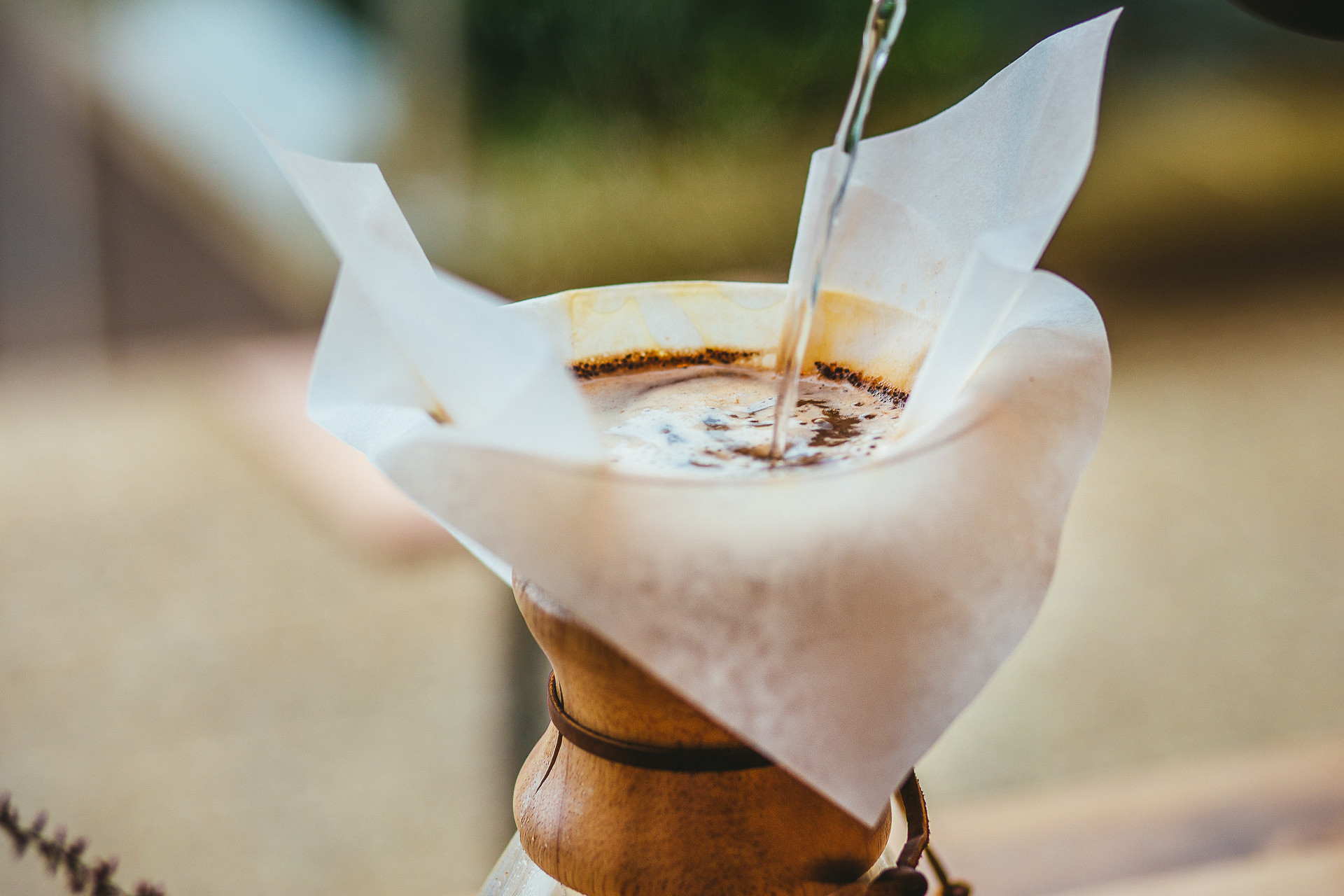
Naturally, the thicker the filter, the longer the coffee pouring time (in gravity methods – with drippers) or more force should be used when squeezing the black drink (in the case of brewing in AeroPress). Therefore, brewing coffee in Chemex requires a slightly coarser grind and usually takes longer than, e.g. in the Hario V60 dripper. Remember to choose the right grind size for your filter, considering its thickness, among others.
The thickness, and therefore the type of the selected filter, also affects how long we will feel the coffee after drinking it, the so-called „aftertaste”. The thicker the filter and the more it separates the oils in the drink, the smaller the body and the shorter the aftertaste.
Taste test
To check how individual filters actually work, I’ve arranged a short taste test. From each filter, I cut out a circle that matched the dimensions of AeroPress. I treated each dry filter with 100 ml of boiling water, which, after cooling down, went straight to my taste buds.
The least noticeable aftertaste of paper came from the Chemex filter and the Delter device. The brown versions, especially the brown Gabi filter, had the most perceptible influence on the taste of water. Somewhere in between were the filters from the Hario V60, regardless of the color.
The second time I poured boiling water into the filters, the influence of the paper on the taste of the water was no longer detectable. This only confirms that it’s necessary to pour boiling water into the filter each time before brewing.
Summary
Now, dear apprentice, the world of filters is an open book to you. Take this knowledge and venture out into the world with it… From now on, choosing the right filter won’t be a problem for you. However, if you hesitate among several options, maybe this is the perfect opportunity and time for… your own tests? Regardless of which coffee filter you choose, remember the most important rule: always pour boiling water into the filter before pouring coffee into it. In this way you won’t taste the paper in your coffee, but only what the carefully prepared coffee beans offer. Good luck and many successful pour-overs to you!